

Closed captions are more than just on-screen text — they’re a powerful accessibility feature designed to help every viewer understand video content clearly. Whether someone is deaf, hard of hearing, or simply watching in a noisy environment like an airport, closed captions ensure nothing important is missed. By converting spoken words, sound effects, and key audio cues into readable text, they make digital accessibility easier while improving user experience across movies, live broadcasts, online video programming, and everyday streaming platforms.
Understanding What Are Closed Captions also means recognizing how they differ from subtitles, open captions, and other video accessibility tools. Closed captions can be turned on or off, customized for font, size, and color, and even adapted for multiple languages through modern caption decoders. With FCC regulations, ADA requirements, and real-time captioning for live events, they’ve become essential for inclusive communication. From educational videos to corporate presentations, closed captioning improves clarity, supports diverse audiences, and strengthens overall video accessibility.
What are closed captions?
- Understanding Closed Captions for Better Video Accessibility
- How Closed Caption Improve Every Viewer’s Experience
- Closed Caption Explained for Modern Digital Content
- Why Closed Caption Matter in Online Videos
- Key Features That Define Closed Captioning Today
- Closed Captions for Noisy and Quiet Environments
- Captions That Support Deaf and Hard-of-Hearing
- How Caption Decoders Display On-Screen Text
- Closed Captions vs Subtitles: Core Differences
- Digital Accessibility Enhanced Through Closed Captions
- Real-Time Captioning for Live Video Broadcasts
- Closed Caption Standards Required by FCC Rules
- ADA Compliance Through Effective Captioning Tools
- How Captions Add Sound Effects as Text
- Closed Captions for Multilanguage Video Programming
- Why Streaming Platforms Depend on Captioning
- Open vs Closed Captions in Media Content
- Captioning Technology Used in Modern Televisions
- How Line 21 Captions Are Encoded
- Improving User Experience with Clear Captions
- Closed Caption Help Viewers Understand Visual Media
- Captioning Tools That Convert Audio to Text
- Supporting Inclusivity Through Accurate Closed Captioning
- Essential Captioning Practices for Online Creators
- How Closed Caption Benefit Global Audiences
- Captioning Requirements for Prerecorded TV Content
- Closed Caption Settings Like Font and Color
- Why Businesses Use Captions for Accessibility
- Captioning Enhances Communication Across All Platforms
- Closed Captions Make Videos Easier to Understand
The history behind closed captions
- How Closed Captions Started in Early Broadcasting
- The Evolution of Closed Captioning Technology
- When Caption Decoders First Became Mandatory
- Key Milestones in Closed Captioning History
- How FCC Regulations Shaped Captioning Standards
- The Rise of Digital Closed Captioning Formats
- Why Early Television Needed Caption Decoders
- The Beginning of Accessible Video Communication
- How ADA Influenced Captioning Requirements
- Captioning Growth from Analog to Digital Media
- The Origin of Line 21 Caption Encoding
- How Real-Time Captioning First Emerged
- Laws That Established Closed Captioning Rights
- Early Innovations in Captioning for TV Audiences
- The First Steps Toward Inclusive Broadcasting
- When Captioning Became Standard for Programming
- How Technology Improved Caption Accuracy Over Time
- Closed Caption Adoption in Mainstream Television
- Captioning Developments That Enhanced Accessibility
- The Transition from Open to Closed Caption
- How Legislation Expanded Captioning Obligations
- The Birth of Modern Captioning Systems Worldwide
- Captioning History Shaped by Viewer Accessibility
- The Timeline of Captioning Across Media Platforms
- Significant Advancements in TV Captioning Tools
- How Early Broadcasters Implemented Text Transcription
- Digital Captioning Standards Redefined Video Access
- The Roots of Captioning in Public Communication
- Technology Breakthroughs That Improved Caption Delivery
- The Journey of Captioning Toward Universal Inclusion
How does closed captioning work?
- How Encoders Add Captions Into Video Signals
- The Process Behind Real-Time Caption Creation
- How Line 21 Carries Caption Data
- Caption Decoders Turning Hidden Text Visible
- How Audio Converts Into On-Screen Captions
- Real-Time Captioning Using Stenographer Input
- How Captions Sync With Live Broadcast Audio
- Caption Encoding Steps Inside Digital Broadcasting
- How Computers Generate Accurate Video Captions
- The Technology Powering Closed Caption Rendering
- How Caption Data Is Inserted Into Streams
- Behind-the-Scenes Workflow of Captioning Systems
- How Captions Are Timed With Video Frames
- The Mechanics of Converting Speech to Text
- How Decoders Detect and Display Captions
- Caption Generation Tools for Modern Television
- How Caption Software Processes Audio Signals
- The Role of Encoders in Caption Delivery
- How Captions Become Visible On Your Screen
- Live Captioning Workflow for Breaking News
- How Transcription Feeds Into Caption Data
- The Digital Pathway of Closed Caption Signals
- How Captioners Create Instant Live Dialog Text
- The System That Embeds Captions in Broadcasts
- How Automated Tools Generate Caption Output
- Caption Timing Accuracy Using Specialized Software
- How Captions Travel Through Video Transmission
- The Full Process of Closed Caption Encoding
- How Real-Time Captions Support Accessibility
- How Closed Captioning Systems Interpret Audio
What are the closed captioning requirements?
- FCC Rules Defining Mandatory Closed Captioning Standards
- Key Requirements for Captioning All Video Content
- Laws That Determine Closed Captioning Obligations
- FCC Guidelines For TV and Online Captioning
- ADA Compliance Through Required Captioning Practices
- Captioning Rules for English and Spanish Programming
- When Online Videos Must Include Accurate Captions
- Caption Requirements for Live and Near-Live Broadcasts
- Captioning Standards Under EIA-708-B Regulations
- Required Captioning for Substantially Similar Content
- Captioning Rules for User-Generated Video Material
- What FCC Mandates for Digital Video Captioning
- Caption Requirements for Prerecorded TV Programming
- Accessibility Laws That Enforce Caption Usage
- Legal Standards Governing Public Video Communication
- Required Captions for Streaming and Broadcast Platforms
- Caption Accuracy Requirements For All Video Providers
- When Businesses Must Add Closed Caption Legally
- Captioning Obligations For Government Communications
- Required Caption Support Across All Media Devices
- Compliance Rules Ensuring Equal Video Accessibility
- Caption Quality Guidelines Including Timing and Accuracy
- Mandatory Captioning for Library and Archival Content
- Closed Caption Requirements for Online Distributors
- Laws Governing Caption Display Options and Formats
- FCC Enforcement of True and Complete Captions
- When Content Must Include Multilanguage Captions
- Captioning Conditions for Public Accommodations Use
- Legal Caption Rules for Corporate Video Output
- Compliance Standards That Keep Video Content Accessible
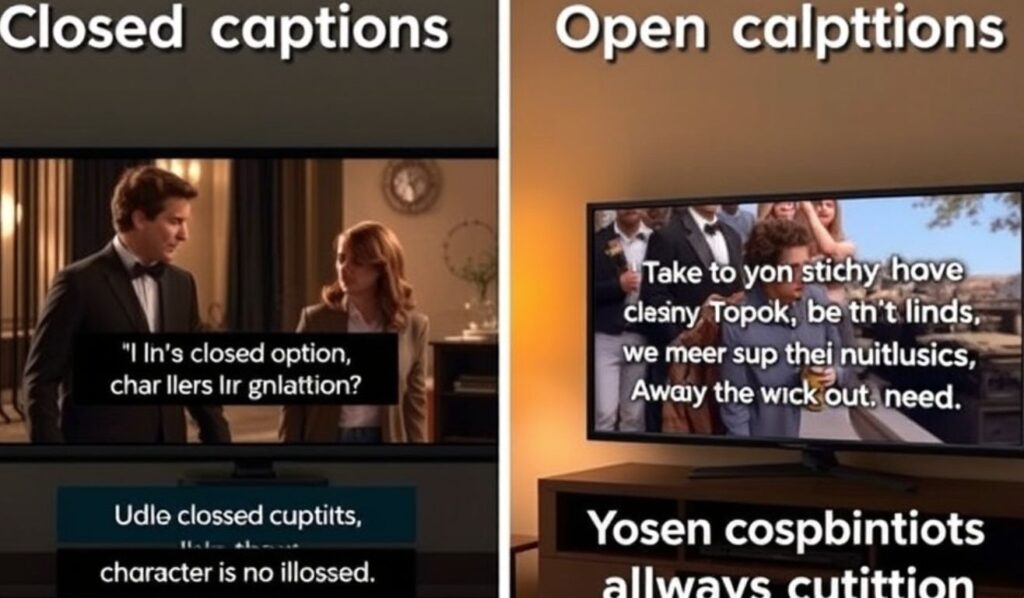
Closed captions vs. open captions
- Key Differences Between Closed and Open Captions
- How Open Captions Differ From Closed Captions
- Viewer Control Options in Closed Caption Formats
- Why Open Captions Cannot Be Turned Off
- Closed Caption Offer Flexible On-Screen Settings
- Open Captions Embedded Directly Into Video
- Comparing Caption Styles for Better Accessibility
- Closed Caption Provide Customizable Text Display Features
- Open Captions Always Visible During Playback
- Choosing Between Open and Closed Caption Types
- How Caption Visibility Differs Across Both Formats
- Open Captions Used When Decoders Aren’t Available
- Closed Caption Allow Language and Style Options
- When Open Captions Become the Best Solution
- Open vs Closed Caption in Digital Media
- Caption Display Differences Viewers Should Understand
- Why Some Videos Require Open Captions Only
- Closed Caption Support Sound Effects and Audio Cues
- Open Captions Ideal for Public Screenings
- Closed Caption Rely on Built-In Decoder Technology
- How Each Caption Format Enhances Accessibility
- Open Captions Ensure Universal On-Screen Clarity
- Closed Caption Provide Optional Viewing Flexibility
- Comparing Visibility and Customization in Caption Types
- When Content Creators Prefer Open Captioning
- Closed Captio Offer Better Multi-Language Support
- Open Captions Increase Access Across All Devices
- Why Broadcasters Use Both Captioning Methods
- Differences in Encoding For Each Caption Style
- Choosing the Right Caption Format for Audiences
Closed captions vs. subtitles
- Key Differences Between Closed Captions and Subtitles
- How Subtitles Differ From Closed Captioning Features
- Captions Include Audio Cues, Subtitles Do Not
- Subtitles Translate Dialog, Captions Show Sound
- Choosing Between Subtitles and Closed Caption Types
- Captions Support Deaf Viewers Better Than Subtitles
- Subtitles Focus Only on Spoken Language Translation
- Why Captions Provide Extra Nonverbal Sound Information
- Closed Captions Offer Detailed Audio Descriptions
- Subtitles Help With Foreign Language Understanding
- Captions Show Sound Effects, Subtitles Show Speech
- When to Use Subtitles Instead of Closed Captions
- How Each Format Enhances Video Accessibility
- Closed Captions Designed for Hard-of-Hearing Viewers
- Subtitles Benefit Viewers Who Need Language Support
- Captions Include Music Notes and Environmental Sounds
- Subtitles Simply Convert Speech Into Another Language
- Why Captions Improve Full Audio Comprehension
- Subtitles Help Understand Dialog, Not Background Audio
- Captions Provide Richer Details Than Subtitles
- Subtitles Help Viewers Who Don’t Know the Language
- Captions Deliver Complete Audio Context On Screen
- Subtitles Offer Basic Translation Without Audio Cues
- When Captions Offer More Clarity Than Subtitles
- Subtitles Are Best for Multilingual Video Content
- Closed Captions Show Everything You Can’t Hear
- Subtitles Assist With Language, Captions Assist With Hearing
- How Captions and Subtitles Serve Different Needs
- Captions Improve Accessibility, Subtitles Improve Understanding
- Choose Captions or Subtitles Based on Viewer Needs
How to Enable Closed Captions?
- Steps to Enable Closed Captions on Any Device
- How to Turn On Closed Captioning Easily
- Activating Closed Captions Through Your TV Settings
- Closed Caption Options Available on Streaming Platforms
- Enable Captions for Videos on Computers and Phones
- How to Customize Closed Caption Font and Color
- Turning On Captions Using the CC Icon
- Accessing Closed Caption Settings for Accessibility
- How to Enable Captions for Live Broadcasts
- Adjusting Closed Captions for Size and Style
- Step-by-Step Guide to Enable Closed Captions
- How to Activate Closed Captions on Movies
- Enabling Captions in Noisy or Quiet Environments
- Closed Caption Settings on Smart TVs Explained
- Turning On Captions for Educational Video Content
- How to Use Caption Features on Streaming Apps
- Enabling Captions to Improve Viewer Accessibility
- Closed Caption Options on Online Video Platforms
- How to Access Real-Time Captioning Settings
- Turning On Captions for Prerecorded TV Programming
- How to Enable Captions Across Multiple Languages
- Adjust Caption Timing and Display on Videos
- Closed Captions Can Be Turned On or Off
- Activating Captions Enhances Understanding for All Viewers
- How to Enable Captions on Mobile Devices
- Accessing On-Screen Menus for Caption Settings
- Using CC Icon to Enable Video Captions
- Adjusting Captions to Improve Digital Accessibility
- How to Enable Captions for Live Streams
- Closed Captions Make Videos Accessible to Everyone
The Future of Closed Captioning

- How AI Is Shaping Closed Captioning’s Future
- The Future of Real-Time Closed Captioning Technology
- Emerging Trends in Video Accessibility and Captioning
- Speech-to-Text Advances Improve Future Closed Captions
- Innovations Transforming Live Video Captioning Systems
- How Automation Will Change Captioning Workflows
- Predicting the Next Era of Video Captioning
- Future Accessibility Standards for Closed Captioning
- AI-Powered Tools Making Captions More Accurate
- The Role of Machine Learning in Captioning
- Closed Captions Evolving With Digital Broadcasting Trends
- Future Closed Captions Will Support Multilingual Videos
- How Technology Improves Caption Timing and Accuracy
- Next-Gen Captioning Systems for Live Streams
- Closed Captioning Innovations Enhance Viewer Engagement
- AI and NLP Driving Future Caption Accessibility
- Predicting Future Standards for Online Captioning
- How Future Captions Will Include Environmental Sounds
- Captioning Trends That Improve Accessibility Globally
- Future Tools Will Simplify Caption Editing Processes
- The Future of Closed Captions in Streaming Media
- How Automation Reduces Human Errors in Captions
- Digital Accessibility Shaping the Next Captioning Era
- Future Closed Captions Will Include Interactive Features
- How Technology Ensures Accurate Live Captions
- Next-Level Captioning for Education and Entertainment
- The Future of Video Captioning Across Platforms
- How AI Enhances Multilanguage Closed Captioning
- Innovations Making Captions Faster and More Reliable
- Future Closed Captioning Will Support Inclusive Viewing
FAQ’s About Closed Captions
What are closed captions used for?
Closed captions help viewers, especially the deaf or hard-of-hearing, understand video content.
How do I turn on closed captions?
You can enable closed captions via the CC icon or video accessibility settings.
Are closed captions the same as subtitles?
No, closed captions include audio cues and sound effects, while subtitles only show dialogue.
Do all videos require closed captions?
Videos broadcast on TV or online must meet FCC and ADA captioning requirements.
Can closed captions be customized?
Yes, many platforms allow users to adjust font, size, color, and language streams.
Conclusion
Closed captions have become an essential part of modern video accessibility, helping deaf and hard-of-hearing viewers, as well as anyone in noisy or quiet environments, fully understand video content. By converting speech, sound effects, and other audio cues into readable text, they enhance digital accessibility across TV, online streaming, live broadcasts, and corporate videos. With FCC regulations, ADA compliance, and evolving technology like AI-powered real-time captioning, closed captions continue to make video content inclusive and engaging for all audiences.
As technology advances, the future of closed captions promises even more accuracy, customization, and multi-language support. From real-time captioning for live events to interactive captions in educational or corporate videos, these tools improve communication, comprehension, and user experience. By implementing and enabling closed captions consistently, content creators, broadcasters, and businesses not only meet accessibility standards but also ensure that their video content reaches and engages every viewer, regardless of hearing ability or environmental challenges.

Hi, I’m David – spreading smiles at PunPark with clever puns and witty jokes. Life’s better with laughter, so let’s pun it up!